
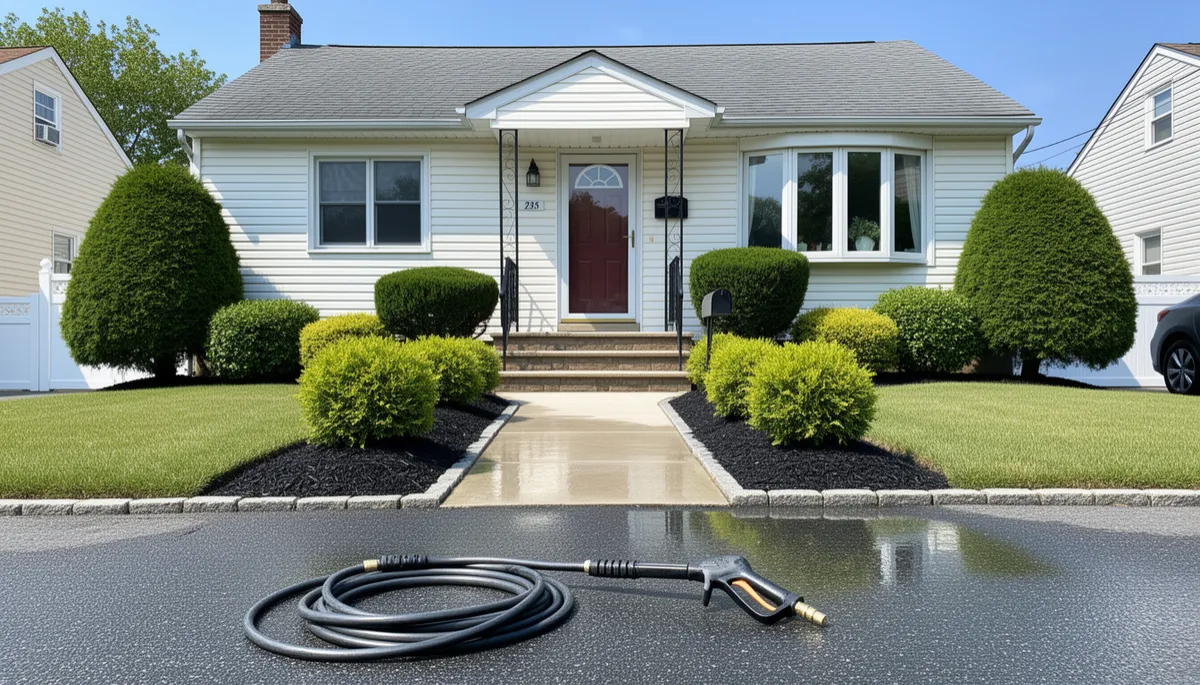
Pressure Washing Tips to Refresh Your Staten Island Home
Pressure washing is one of the quickest ways to give your home's exterior a fresh look. Whether you want to clean off winter grime, remove mold, or prep for painting, a good wash can make a big difference. Here are some practical tips for homeowners in Staten Island to get the most out of pressure washing—safely and effectively.
What Surfaces Around My Home Can Be Pressure Washed?
Not every surface is created equal when it comes to pressure washing. Here’s what you can clean without worry and what you should avoid:
- Driveways and Walkways: Concrete and pavers handle pressure washing well and come out looking almost new.
- Siding: Vinyl, brick, and some types of wood siding can be washed, but you’ll want to use a lower pressure setting for softer materials.
- Decks and Patios: Composite and pressure-treated wood decks can be pressure washed, but stick to lower pressure to prevent damage.
- Fences: Wood and vinyl fences respond well to cleaning, but be gentle on older, weathered boards.
- Outdoor Furniture and Playsets: Plastic, metal, and some wooden pieces can be cleaned, but always check for loose paint or finishes.
Avoid pressure washing asphalt shingles, old brick with loose mortar, delicate wood, and any painted surfaces you don't want stripped.
How Do I Pick the Right Pressure Washer and Settings?
Pressure washers come in electric and gas-powered models, with a wide range of pressure ratings (measured in PSI). For most home exterior jobs:
- Electric models (1,300–2,000 PSI) are good for siding, decks, fences, and furniture.
- Gas models (2,000–3,000+ PSI) are best for concrete and really tough grime but can damage softer surfaces if not used carefully.
Nozzle choice matters too. Use a wider spray (25–40 degrees) for siding and decks, and a narrower one (15 degrees) for driveways and stone. Start with the lowest pressure and move up as needed. Always test a small, hidden area first.
What Should I Do Before I Start Pressure Washing?
A little prep goes a long way:
- Clear the area: Move furniture, planters, and decorations out of the way.
- Cover outlets and fixtures: Use plastic and tape to protect lights, outlets, and doorbells.
- Close windows and doors: Prevent water from sneaking inside.
- Check for damage: Repair loose siding, cracked mortar, or soft wood before washing.
For homes in Staten Island, salt and sand from winter roads can build up on surfaces—make sure to pay extra attention to those areas.
How Can I Pressure Wash Safely?
Pressure washers are powerful tools, and safety is key:
- Wear goggles and closed shoes to protect from flying debris.
- Never spray upward under siding—this can force water behind the boards and cause damage.
- Stay clear of windows and vents to avoid breaking glass or forcing water inside.
- Keep kids and pets away while you work.
- Stay off ladders—the force of the water can knock you off balance. Use extension wands for high spots instead.
When Should I Use Detergents or Cleaners?
Sometimes, water alone won’t do the trick—especially with stubborn stains, mildew, or greasy spots. If you need extra cleaning power:
- Use only detergents labeled for pressure washers and for the specific surface you’re cleaning.
- Apply detergent from the bottom up, let it sit for 5–10 minutes (don’t let it dry), then rinse from the top down.
- Avoid harsh chemicals that could damage plants, pets, or nearby waterways.
On Staten Island, it’s common to deal with pollen, mold, and salt residue—detergents can help break these down for a deeper clean.
How Often Should I Pressure Wash My Home’s Exterior?
Most homes benefit from a thorough wash once a year, usually in spring or early summer. If you live near the coast, under trees, or in a high-traffic area, you might need to wash more often to keep things looking sharp. Regular washing not only boosts your curb appeal but also helps extend the life of your paint, siding, and decking.
Frequently Asked Questions
Can pressure washing damage my house?
Yes, if done incorrectly. Using too much pressure or the wrong nozzle can strip paint, gouge wood, or force water into places it shouldn’t go. Always start with lower pressure and keep the nozzle moving. If you’re unsure, it’s best to call a professional.
Is pressure washing safe for all types of siding?
Most vinyl and brick siding can be cleaned with a pressure washer, but wood and older or damaged siding need extra care. Use a wide-angle nozzle and gentle pressure for these areas, or consider a soft-wash approach.
What should I do if I notice mold or mildew after washing?
If mold returns soon after washing, it may be a sign of a moisture problem or poor drainage. Make sure gutters are clear and trim shrubs to allow airflow. Sometimes, a follow-up wash with a specialized cleaner is needed.
Can I pressure wash in cold weather?
It’s best to avoid pressure washing if temperatures are near freezing. Water can freeze on surfaces and create slipping hazards or damage to materials. Wait until a dry, mild day for best results.
If you’d rather leave the job to a pro, or if you’re planning a bigger exterior update, Home Improvements by Joseph is here to help. We serve homeowners throughout Staten Island with everything from pressure washing to full remodels. Reach out if you have questions or would like an estimate for your next project.


