Best Molding Styles for Contemporary Homes: A Staten Island Guide
Choosing the right molding style can go a long way in shaping the look and feel of your home. In contemporary homes around Staten Island, moldings add clean lines or subtle details that pull a room together. If you’re renovating or building, it’s worth thinking through which styles will work best for your space. Here, we’ll answer common questions homeowners have about modern trim options.
What Makes a Molding Style "Contemporary"?
Contemporary homes focus on simplicity, clean lines, and understated details. Unlike ornate crown or baseboard moldings you might see in older homes, modern styles typically avoid heavy decoration. Flat profiles, straight edges, and subtle reveals are hallmarks of contemporary trim. These moldings complement open spaces, natural light, and minimalist designs without drawing too much attention. The idea is to frame your walls, floors, doors, and windows with trim that feels fresh and up-to-date.
Which Molding Profiles Work Best in Modern Spaces?
Several molding profiles are especially popular in Staten Island’s newer or renovated homes:
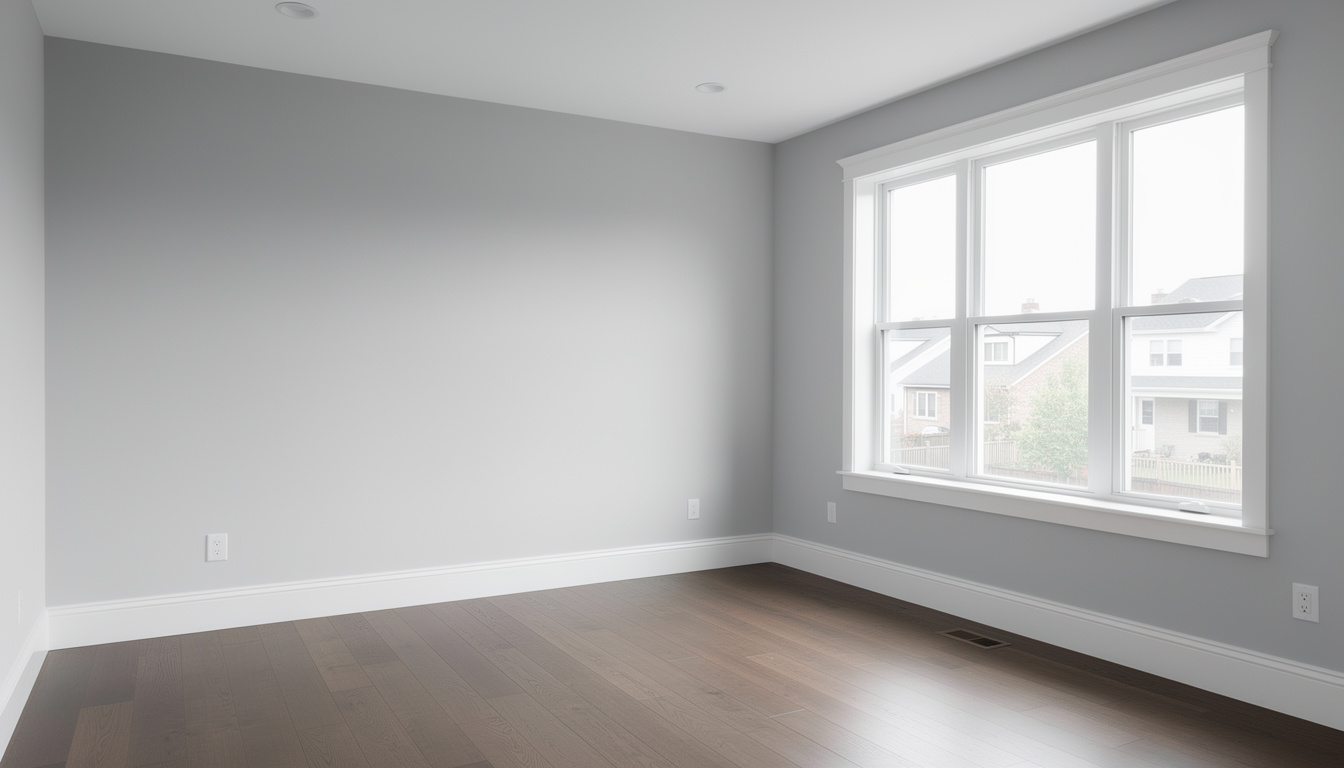
- Square-edge Baseboards: These straight, flat boards sit flush against the wall and floor. They’re simple to install and pair well with modern flooring and finishes.
- Minimalist Crown Molding: Instead of detailed patterns, look for smaller, streamlined profiles that bridge the wall and ceiling with a barely-there effect.
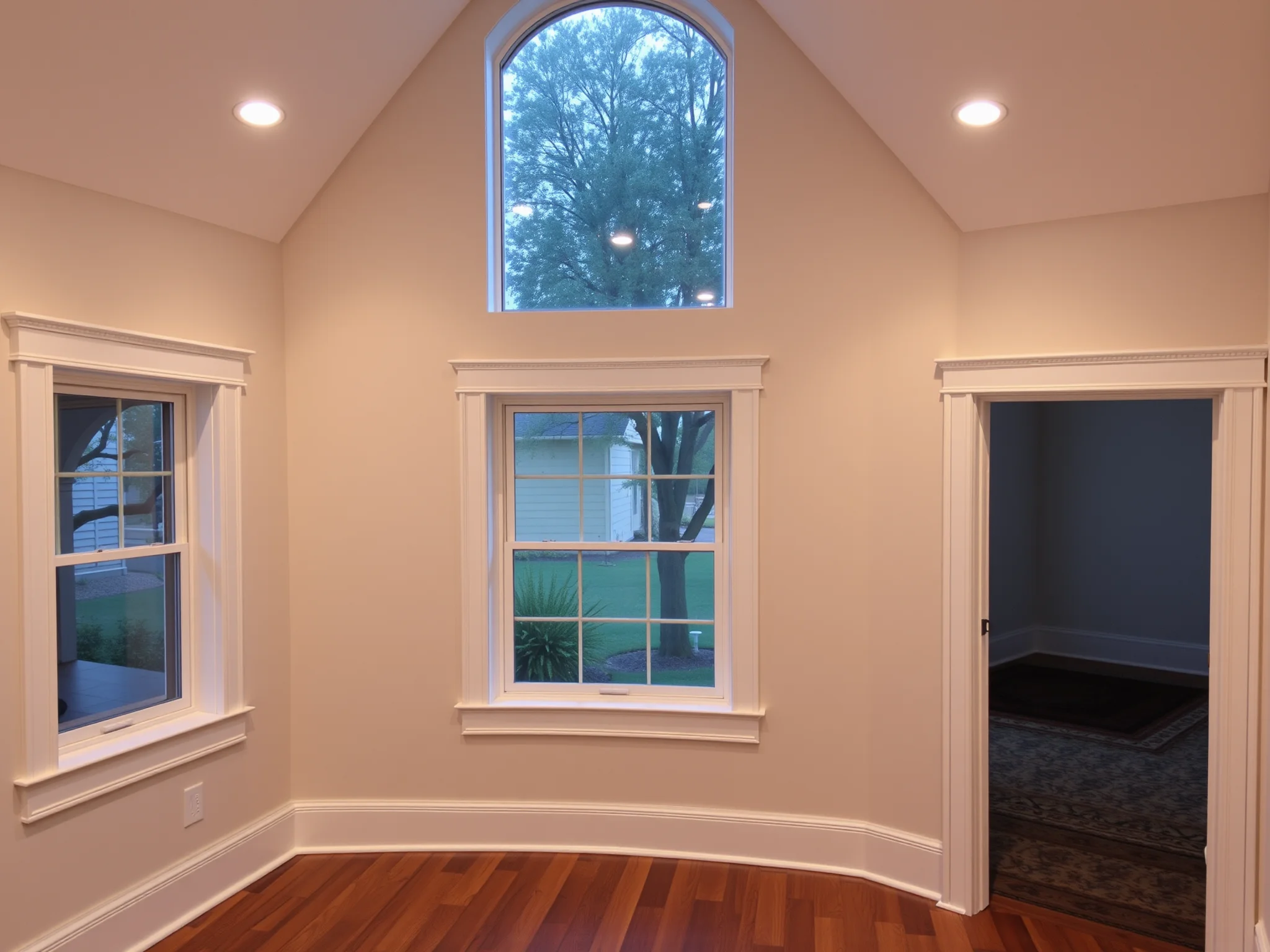
- Flush Door and Window Casings: Trim that lines up evenly with the wall, sometimes called "reveal trim," is common in contemporary designs.
- Shadow Line Moldings: These use a slight gap or notch to create a floating effect between surfaces, adding visual interest without extra bulk.
Each of these profiles can be painted to match your walls for a seamless look, or contrasted with a subtle color for a bit of definition.
How Do Materials Affect the Look and Durability of Moldings?
Modern moldings come in a variety of materials, each with its own pros and cons:
- MDF (Medium Density Fiberboard): Smooth, consistent, and budget-friendly. It’s easy to paint and works well in low-moisture areas. Not ideal for bathrooms or basements prone to dampness.
- Wood: Provides a natural look and can be stained or painted. Solid wood holds up well and brings warmth, but costs more than MDF or composite trims.
- PVC or Composite: Great for high-moisture spaces like bathrooms or laundry rooms. Resistant to warping, cracking, and mold, and can be painted to match any design.
For Staten Island’s climate, a mix of materials often makes sense—wood or MDF in living areas, and PVC in basements or bathrooms.
How Do You Choose the Right Size and Proportion?
Getting the size right is as important as picking the style. In contemporary homes, oversized or chunky moldings can feel out of place. Instead, focus on:
- Baseboards: 3-1/4 to 5 inches tall is usually a good range for standard 8-foot ceilings. Go a bit taller for higher ceilings, but keep the profile simple.
- Crown Molding: 2-4 inches deep works well in modern rooms. Too large, and it can feel old-fashioned.
- Casings: Window and door trim should be wide enough to cover gaps, but not so wide it overpowers the opening. 2-1/4 to 3-1/2 inches is typical.
Always consider the scale of your rooms and furnishings. Proportional trim looks intentional and balanced.
Are There Color and Finish Trends for Modern Moldings?
White is still the most popular color for moldings in contemporary homes, but it’s not your only option. Matching the trim to your wall color can create a seamless, airy feel—great for smaller spaces or open floor plans. In some cases, a contrasting color, like charcoal or soft gray, can highlight architectural features without being too bold. Satin and semi-gloss finishes are common, since they’re easy to clean and subtly reflect light without being shiny. Painted trim is also easier to touch up if needed.
Can Moldings Be Used to Conceal Imperfections or Transitions?
Absolutely. Even in the most modern spaces, moldings serve practical purposes:
- Baseboards: Cover gaps where flooring meets the wall and protect from dings.
- Casings: Hide uneven drywall edges around doors or windows.
- Crown: Conceals small cracks between walls and ceilings, especially in older homes being updated to a modern look.
- Transition Moldings: Used between different flooring materials or at stair edges for a clean, finished appearance.
If you’re planning a remodel in Staten Island, a skilled installer can help you line everything up for a polished result, even in tricky spots.
Frequently Asked Questions
How hard is it to install contemporary molding styles?
Contemporary profiles are usually easier to install than ornate moldings because they have fewer curves and patterns to cut. Still, getting crisp corners and smooth transitions takes a steady hand and the right tools. Professional installation ensures tight joints and a flawless finish, especially in rooms with uneven walls or floors.
Can old, traditional moldings be replaced with modern styles?
Yes, you can swap out older, decorative trim for something more up-to-date. The process involves removing the old molding, patching any damaged drywall or plaster, and installing new profiles. Sometimes, you’ll need to repaint or repair the wall area to get a perfect look. It’s a great way to give your home a fresh, modern feel without major construction.
Should all the moldings in my house match?
Not necessarily. Many contemporary homes use the same style throughout for a cohesive look, but it’s fine to mix profiles in different rooms if you want a subtle change. For example, you might use taller baseboards in living areas and shorter ones in bedrooms, or skip crown molding altogether in some spaces. Consistency in color and finish helps tie everything together.
Is it worth upgrading moldings if I plan to sell my home?
Upgrading to modern, well-installed moldings can make a big difference in how updated your home feels to prospective buyers. Clean lines and fresh finishes help rooms look move-in ready and visually larger. It’s one of those details that often pays off during showings or open houses, especially in competitive markets like Staten Island.
If you’re thinking about updating the moldings in your home, or you’re planning a larger remodel, we’re here to help. Home Improvements by Joseph serves homeowners throughout Staten Island, offering practical advice and skilled installation. Contact us to talk about your project and see how the right trim can transform your space.